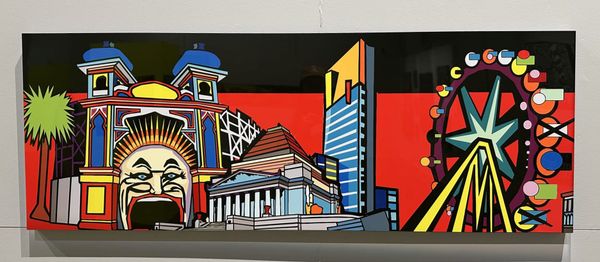
Josh Muir lives forever
I review First Nations artist Josh Muir, whose retrospective is touring Victoria.

I review First Nations artist Josh Muir, whose retrospective is touring Victoria.
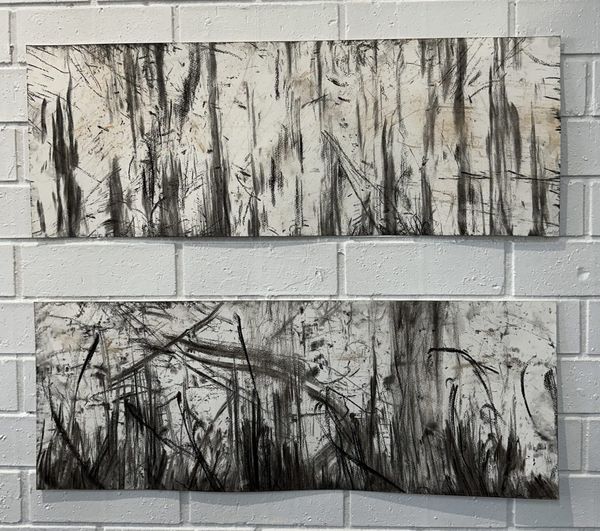
Another intriguing show at Workspace 3496 +Gallery, a creature to love, and a podcast recommendation.
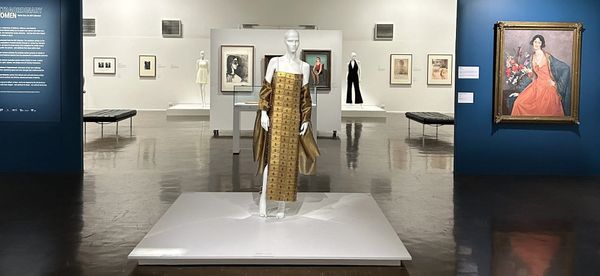
Portraiture is a worthy and rewarding genre to explore many issues, including gender and ethnicity. Ironically, this exhibition left me wondering where some women fit.
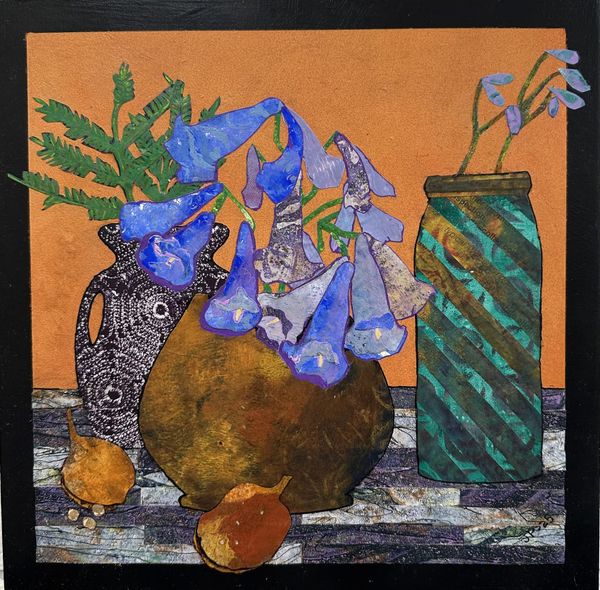
The Jacaranda is a favourite tree in many parts of Australia. Synonymous with spring, it’s a favourite spectacle of the Instagram photographer. This is a lot of hype for a tree that isn't even native to this continent. In Mildura the purple carpet maker is honoured with an annual art prize.
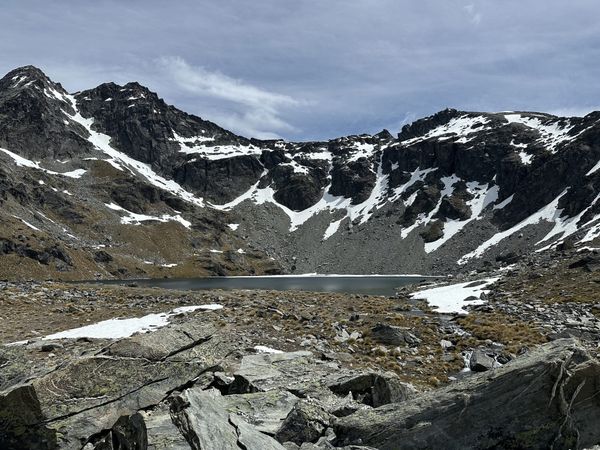
It’s not just curiosity about my own tastes that drives this newsletter endeavour, I’m also doggedly of the conviction that looking at things slowly – avoiding fast, easy conclusions – is an important and valuable thing to do in and of itself.
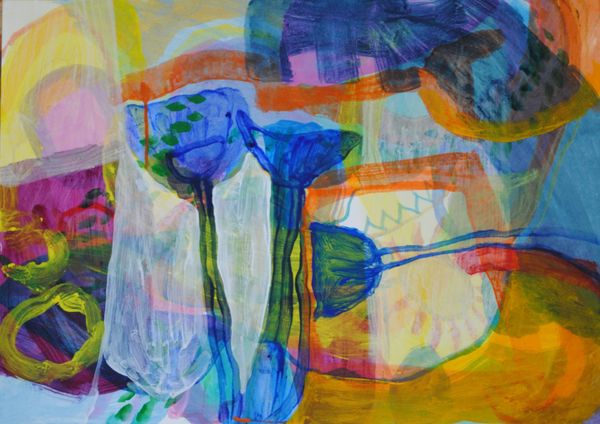
Displayed on a single wall in a tight group, ten of Barb Henderson's paintings sing out from Cam's Kiosk at the Abbotsford Convent. They're lit with the natural light that floods in from the Convent's iconic courtyard; bright and colourful enough to catch your eye on a Melbourne day.
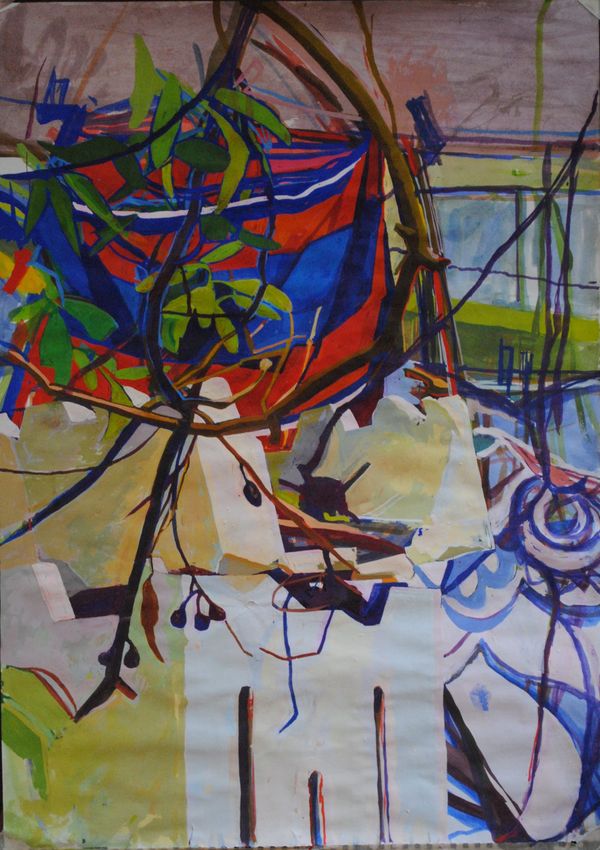
Exhibitions are short in this city and good exhibitions seem shorter still. By the time you read this review the exhibition will have finished. A state of affairs requiring art lovers to pounce on the exhibitions they love and remember them. My job as a critic is to make you
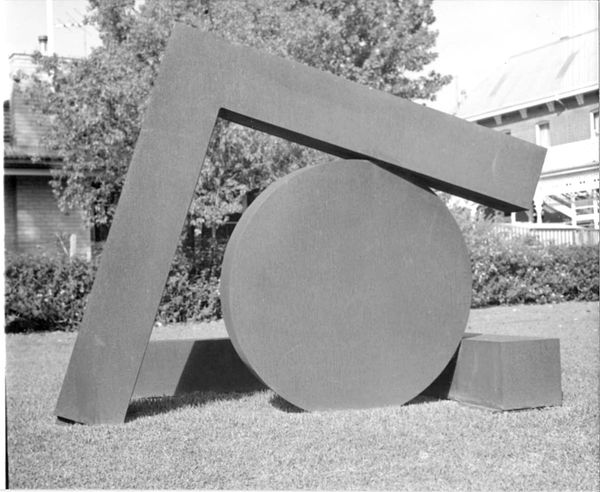
A series of sculpture exhibitions in Mildura from 1961 to 1988 were a testing ground for new forms of experimental art. A new exhibition at the Mildura Arts Centre documents this moment 50 years on.
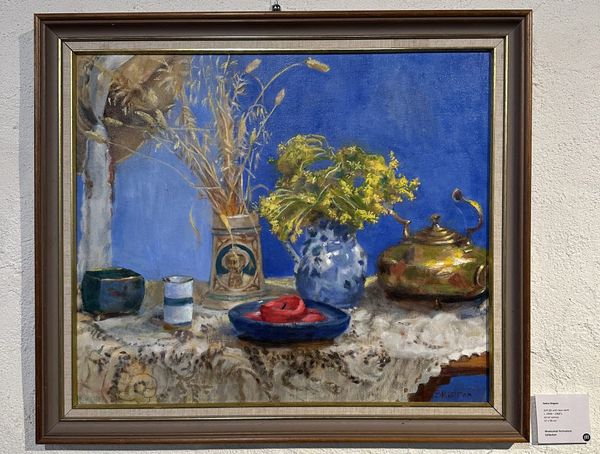
History is thick on the ground at Montsalvat, Eltham. The story of the founders of this bohemian artist’s colony are layered into the walls, the very mud bricks they built their gothic looking buildings with. Two families established the colony in 1934: Justus Jörgensen and his wife Lily Jörgensen
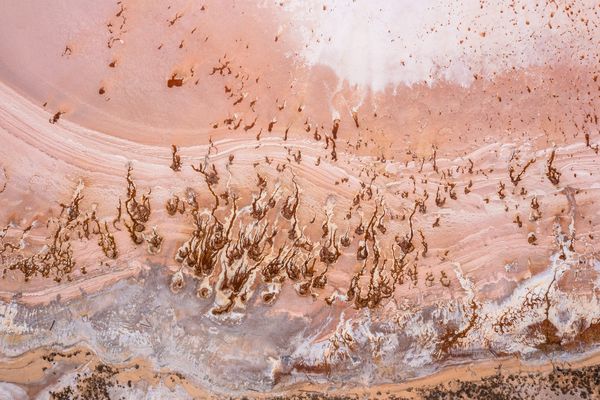
Imagine you live in a small inland town at the junction of two rivers. You work part time for a tiny newspaper; one day in the recent weeks you submit three short reviews.
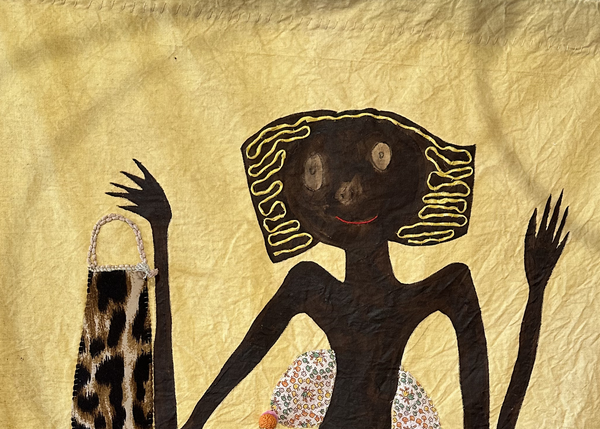
There's something about this place, it gets under your skin. And the art is FANTASTIC. Plus some musical treats.
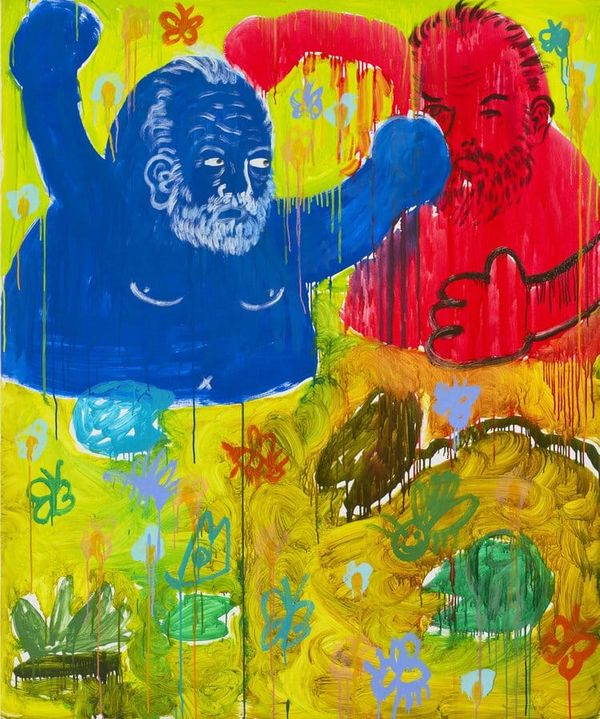
Place, taste and tradition in Australia's favourite portrait prize
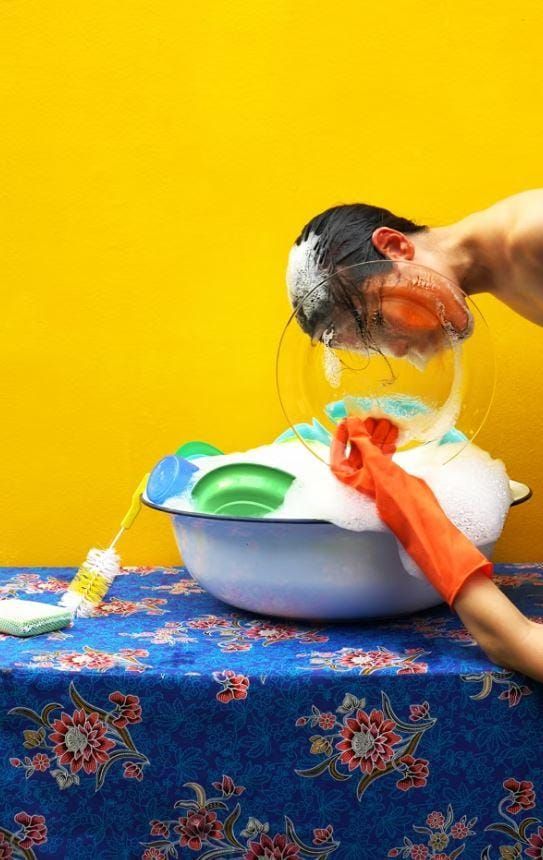
Newsletter
Or, what I saw in five hours at QAGOMA
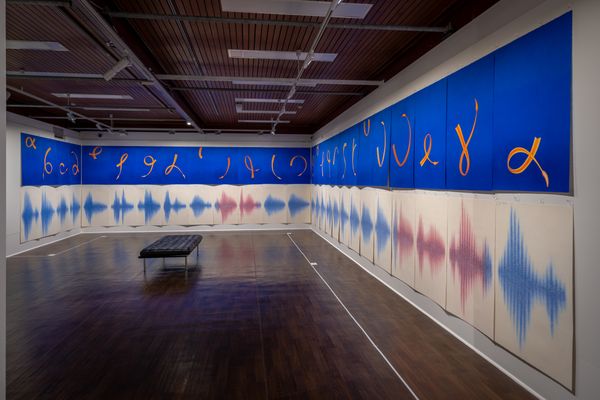
Newsletter
Exploring the Italian migrant's experience in Filomena Coppola's solo exhibition at Mildura Arts Centre
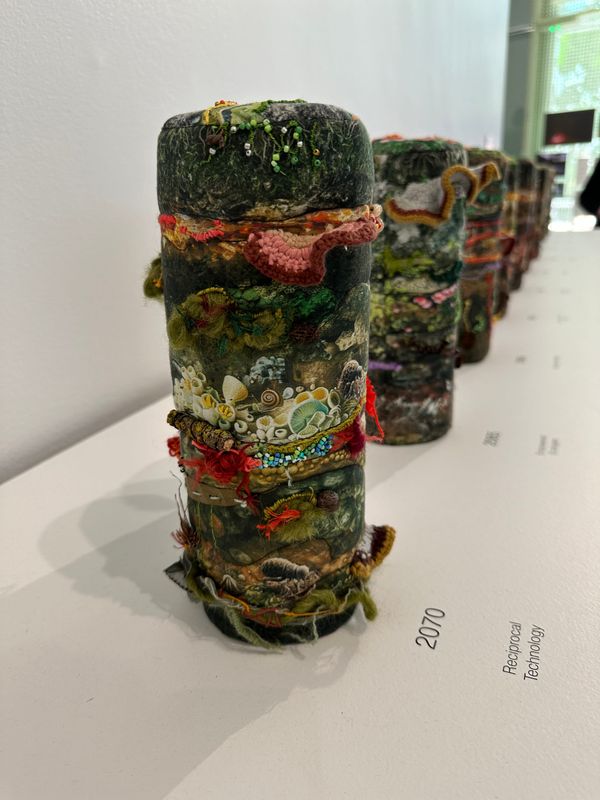
Newsletter
A dual review of Reimagining Birrarung: Design Concepts for 2070 and the National Wool Museum’s On the Land: Our Story Retold
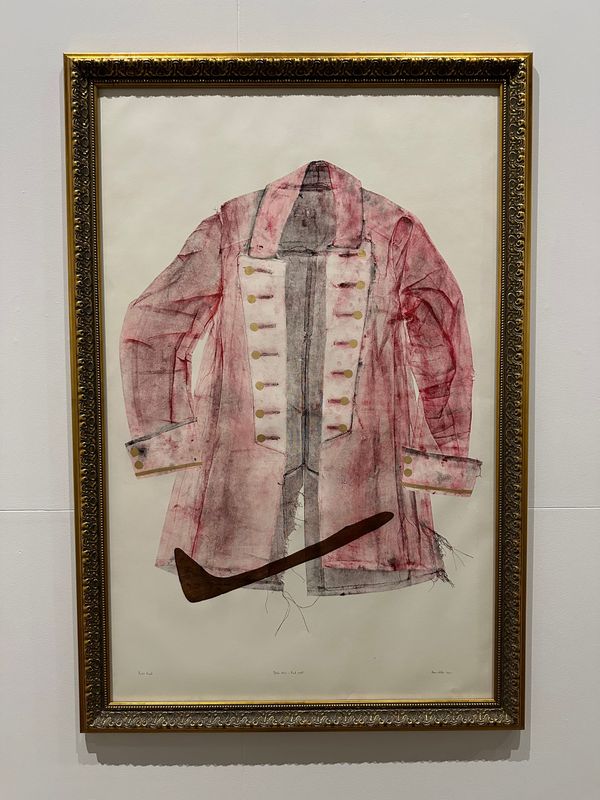
Newsletter
You know I am a huge textiles fan. This review won't come as a surprise at all but I did find something unexpected on my second visit.
Newsletter
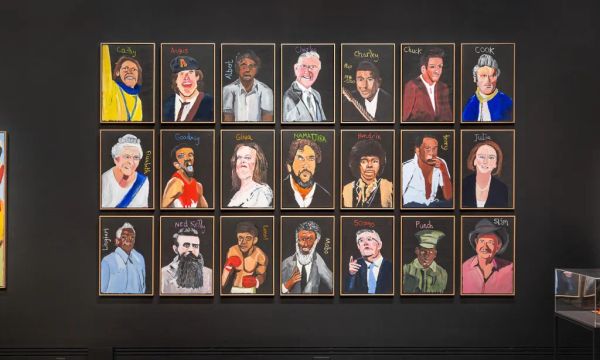
Vincent Namatjira is in the news and I have mining on my mind
Newsletter
Pictures at a (library) exhibition in New South Wales
Newsletter
Women's business is moving and beautiful and we're privileged to see it
Newsletter
An exhibition in Narrm/Melbourne and the highlight of my career
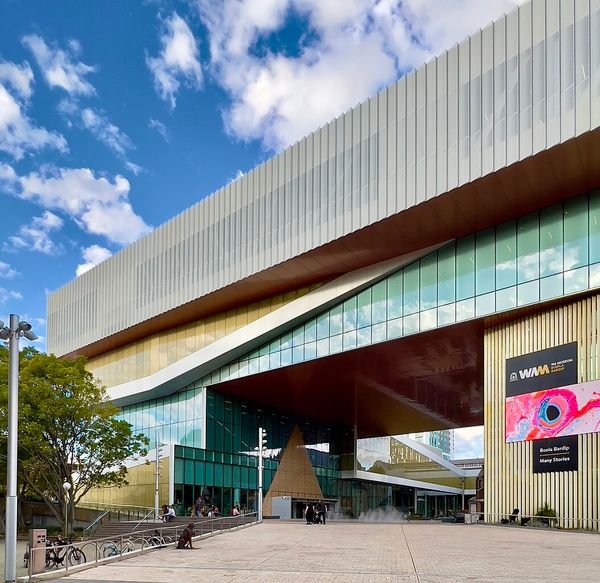
Newsletter
It's huge.
Newsletter
Looting the loot, loot loot loot...
Newsletter
For non-Indigenous Australians, there is only 'Yes' and the work that needs to keep being done after the vote.
Newsletter
White artists working on black artworks. Can looking at past authenticity controversies help us understand this one?